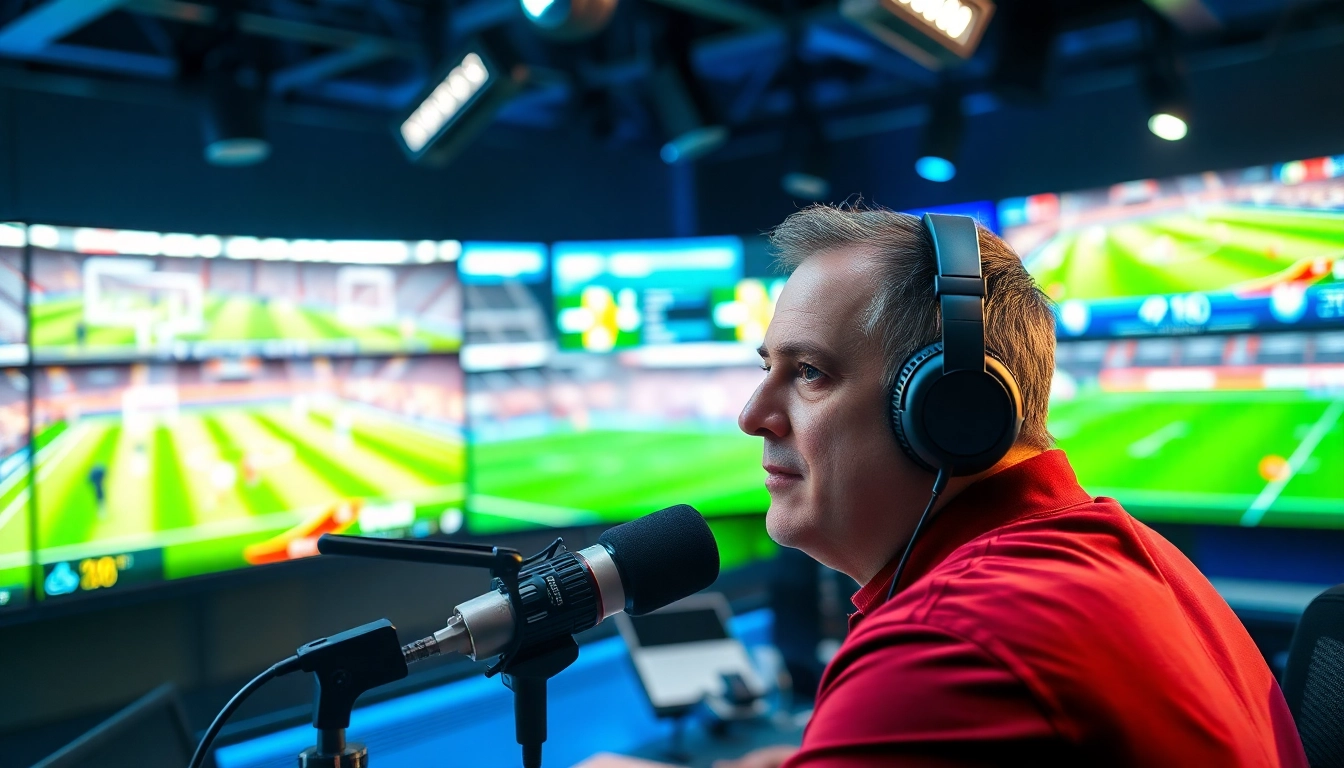
Introduction to Sports Broadcasting
Defining Sports Broadcasting
Sports broadcasting is the art and science of delivering live sports events to a wide audience through various platforms such as television, radio, and online streaming. This dynamic sector has transformed the way fans engage with their favorite sports, offering real-time commentary, analysis, and interaction. For those interested in diving deeper into the intricacies of Sports Broadcasting, understanding its core components is essential.
The Role of Technology in Sports Broadcasting
The landscape of sports broadcasting has dramatically evolved due to technological advancements. High-definition cameras, drones for aerial views, and virtual graphics have enhanced the viewer experience significantly. Innovations such as instant replay and augmented reality not only increase the immersion for fans but also elevate the storytelling aspect of sports. Broadcasters now leverage state-of-the-art production tools to present statistics in real-time, provide interactive features, and create a visually compelling narrative around live sporting events.
Evolution of Broadcasting Platforms
From the early days of radio broadcasts to the current multi-platform approach, sports broadcasting has undergone significant transformation. Initially, sports commentary was confined to radio waves, providing merely an auditory representation of events. The introduction of television allowed viewers to see games as they unfolded, creating a more engaging experience. However, the advent of the Internet has sparked a further revolution, with streaming platforms enabling fans to watch games live on a plethora of devices, democratizing access to sports content on a global scale.
Key Components of Sports Broadcasting
Understanding Broadcast Quality
Broadcast quality is paramount in sports broadcasting, where sharp visuals and clear audio can make or break the viewer's experience. High-definition and now 4K broadcasts have set the standard for visual clarity, while advanced audio technologies ensure that audiences feel immersed in the atmosphere of the event. Factors influencing broadcast quality include bandwidth, compression techniques, and content delivery networks, all of which play a crucial role in ensuring that the sporting action reaches viewers seamlessly.
Critical Equipment for Live Sports Broadcasting
The equipment used in sports broadcasting includes an array of tools and technologies designed to capture and deliver high-quality content. Key components consist of cameras with various angles and zoom capabilities, microphones for capturing commentary and crowd reactions, and transmission equipment that allows for real-time broadcasting. Additionally, satellite and fiber-optic lines are crucial for transmitting data swiftly, ensuring a lag-free viewing experience. Investing in the right technology not only improves broadcast quality but also enhances the overall engagement of the audience.
Talent and Presentation Skills
The human element in sports broadcasting is just as essential as the technology. Talented broadcasters and analysts bring knowledge, charisma, and style that resonate with viewers. They must possess strong communication skills, an insightful understanding of the sport, and the ability to engage and entertain. On-screen personalities often become the voice of the games for fans and can make decisions that significantly influence viewers’ experiences, from commentary delivery to expert analysis during crucial game moments.
Strategies for Effective Sports Broadcasting
Engagement Techniques for Viewers
Engaging viewers in sports broadcasting requires a careful blend of entertainment and information. Different techniques can significantly enhance viewer interaction, such as live polling during games, social media integration, and engaging storytelling. Conceptualizing compelling narratives around athletes and teams captivates audiences, encouraging deeper emotional connections. Additionally, incorporating viewer feedback into broadcasts allows fans to feel involved and valued, fostering loyalty to the broadcasting network.
Marketing Strategies in Sports Broadcasting
Marketing plays a crucial role in elevating sports broadcasts. Partnering with sponsors and advertisers who align with the content can increase revenue and enhance the viewer experience without compromising the integrity of the broadcast. Utilizing analytics to understand audience preferences helps in tailoring content and ad placements effectively. Furthermore, marketing campaigns should leverage cross-channel strategies, employing social media, influencers, and promotional events to maximize reach and engagement.
Social Media’s Impact on Viewership
In the digital age, social media has become an invaluable tool for sports broadcasters. Platforms like Twitter, Facebook, and Instagram provide a means to engage with fans in real time, disseminating highlights, behind-the-scenes content, and live commentary. This active presence on social media not only promotes broadcasts but also fosters community, encouraging fan discussions and interactions. As a result, broadcasters must strategize their social media activities to complement live events and drive up viewership.
Challenges in Sports Broadcasting
Common Technical Issues
Despite technological advancements, sports broadcasters often encounter technical issues that can disrupt their service. These issues can range from equipment malfunctions, connection dropouts, to server overloads, particularly during peak viewing times. Having contingency plans and backup systems in place, along with regular equipment maintenance, is critical in minimizing disruptions and ensuring a smooth viewer experience. Training staff to address these issues swiftly can also greatly enhance broadcast reliability.
Legal and Ethical Considerations
Sports broadcasting operates within a framework of strict legal and ethical guidelines. Copyright issues surrounding footage and a broadcaster's rights to air specific games must be navigated diligently. Moreover, ethical considerations regarding fair coverage, particularly in sensitive or controversial situations, must be at the forefront of broadcasting practices. Educating teams responsible for sports commentary on these matters helps protect the integrity of the broadcast and the organization.
Adapting to Changing Consumer Preferences
As consumer preferences shift, sports broadcasters are tasked with adapting to maintain viewer engagement. With the rise of on-demand content and personalized viewing options, traditional viewership models are declining. Broadcasters must stay attuned to changing trends, such as the demand for highlights in real time or specific game recaps available immediately after plays, to remain relevant. Embracing these shifts while retaining core audience segments is essential for sustained success.
Future Trends in Sports Broadcasting
Adoption of Virtual Reality
Virtual reality (VR) is poised to revolutionize how sports broadcasting is experienced. By providing immersive environments, VR enables fans to feel as if they are experiencing the event firsthand, whether from the comfort of their home or within a stadium. Through VR technology, viewers can be transported to different vantage points, significantly enhancing their engagement and connection with the game. However, the successful integration of VR will depend on technological advancements, content availability, and consumer acceptance.
Integration of AI in Sports Broadcasting
Artificial intelligence (AI) is beginning to permeate various facets of sports broadcasting. From automated highlight generation to advanced analytics for better fan engagement, AI can assist in tailoring content that resonates with audiences. Furthermore, AI-powered chatbots can interact with viewers, providing immediate responses and services around the broadcast. As AI technology continues to evolve, its applications in sports will undoubtedly enhance operational efficiencies and content delivery mechanisms.
Globalization and its Impact
The globalization of sports broadcasting expands the reach of events like never before. International partnerships allow broadcasters to share rights and access worldwide audiences, promoting diverse coverage of sporting events. This trend encourages broadcasters to cater to localized content needs, making broadcasts accessible in various languages and culturally relevant to specific demographics. Such an approach not only enhances viewership but also broadens the appeal of sports on a global level.
FAQs
What is sports broadcasting?Sports broadcasting is the transmission of live sports events over various media outlets such as television, radio, and online platforms.
How does technology enhance sports broadcasting?Technology improves sports broadcasting by offering high-definition visuals, instant replays, and interactive features to engage viewers effectively.
What challenges do broadcasters face?Broadcasters often face technical issues, legal restrictions, and shifting consumer preferences that impact their delivery and audience engagement.
What future trends are emerging in sports broadcasting?Emerging trends include virtual reality experiences, increased AI integration, and diversified programming that caters to global audiences.
How can I become a sports broadcaster?To become a sports broadcaster, one typically needs a background in journalism, strong communication skills, and experience in the media industry.